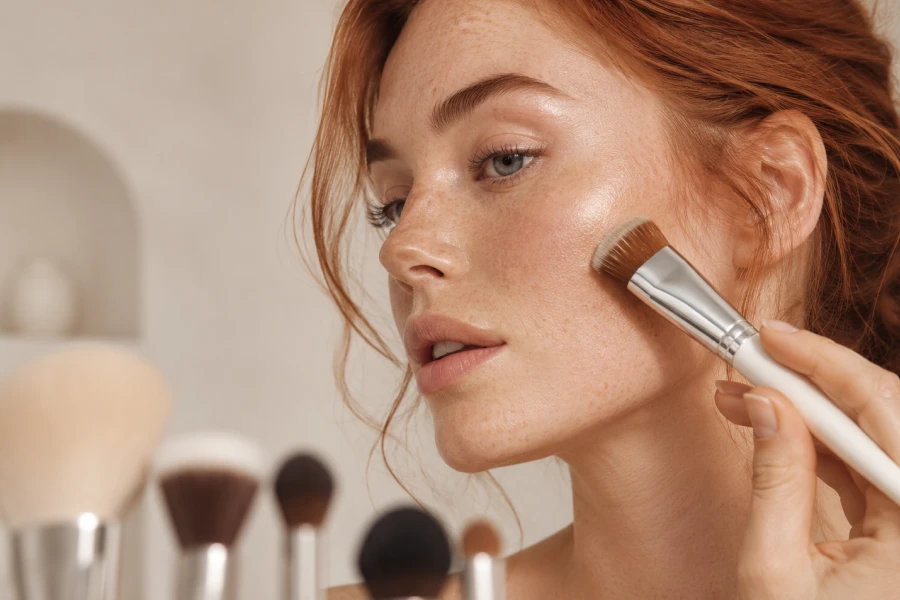
Makeup brush shapes explain why two people can use the same product and get different results. A rounded brush softens edges. A flat brush adds placement and coverage. A tapered brush reaches curves with less effort. Each shape changes product pickup, pressure, and diffusion. This is especially important when makeup looks too heavy, too patchy, or too unfinished. The formula may be fine. The tool may simply be wrong. Learning these shapes builds confidence fast. It turns shopping into strategy. It also makes your routine feel more predictable.
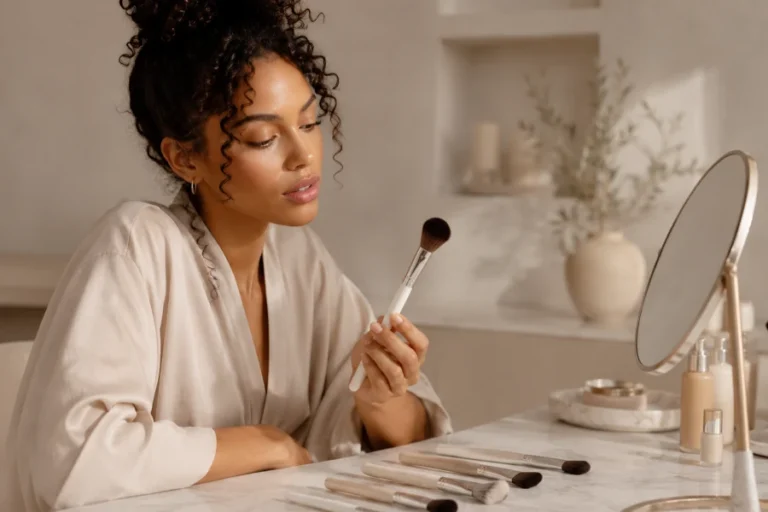
Product choice often gets the attention, but shape controls delivery. A powder blush can look bold with dense bristles. The same blush can look sheer with a fluffy brush. Cream bronzer can stripe with the wrong edge. It can melt beautifully with flexible fibers. A strong beauty tool planning habit helps you judge tools before formulas. You begin asking better questions. Where should product go. How much should release. How soft should the edge look. Those answers point toward the right shape.
Flat brushes are about placement and control. Round brushes are about buffing and soft movement. Angled brushes follow facial structure naturally. Tapered brushes reach corners, contours, and smaller planes. Each option can work beautifully when matched well. Problems appear when one shape handles every task. A flat brush may leave streaks in cream blush. A fluffy brush may spread concealer too far. An angled brush may sculpt faster than a round brush. Tapered shapes can brighten inner corners neatly. Knowing these roles reduces trial and error.
Complexion work depends on surface area and pressure. Wide brushes cover cheeks quickly. Smaller brushes refine around the nose. Domed brushes blend without obvious lines. Angled brushes help bronzer follow cheekbones. The best face brush essentials support the finish you actually wear. Sheer skin needs airy movement. Full coverage needs controlled buffing. Cream formulas need flexibility. Powder formulas need smooth release. Matching shape to texture keeps makeup looking intentional instead of layered.
Eye makeup asks for careful scale. Large fluffy brushes can overwhelm small lids. Tiny brushes can make blending slow on larger eyes. A medium crease brush often handles transitions well. A flat shader gives shimmer better payoff. A pencil brush creates depth near lashes. Angled brushes bring structure to liner and brows. With precision makeup tools, definition feels cleaner. The shape guides the hand. The hand needs less correction. Small upgrades can make everyday eyes look finished.
Shape never works alone. Fiber texture changes everything. Soft bristles diffuse gently. Firmer bristles push product with more authority. Synthetic fibers often handle creams well. Natural-style fibers can pick up powder beautifully. A rounded brush with dense fibers behaves differently than a rounded brush with loose fibers. That is why visual shape tells only part of the story. Touch matters. Flex matters. Product type matters too. The best brush feels compatible with both your formula and your pressure.
Start by listing the finishes you want most. Maybe you want seamless foundation. Maybe you want lifted blush. Maybe you want soft brown definition around the eyes. Match each goal to one shape. Avoid buying complete sets before knowing your habits. Sets often include brushes you will never reach for. A focused collection feels easier to clean and store. It also helps you repeat favorite looks. Over time, your tools become familiar. Familiarity makes technique feel natural.

Leave a comment