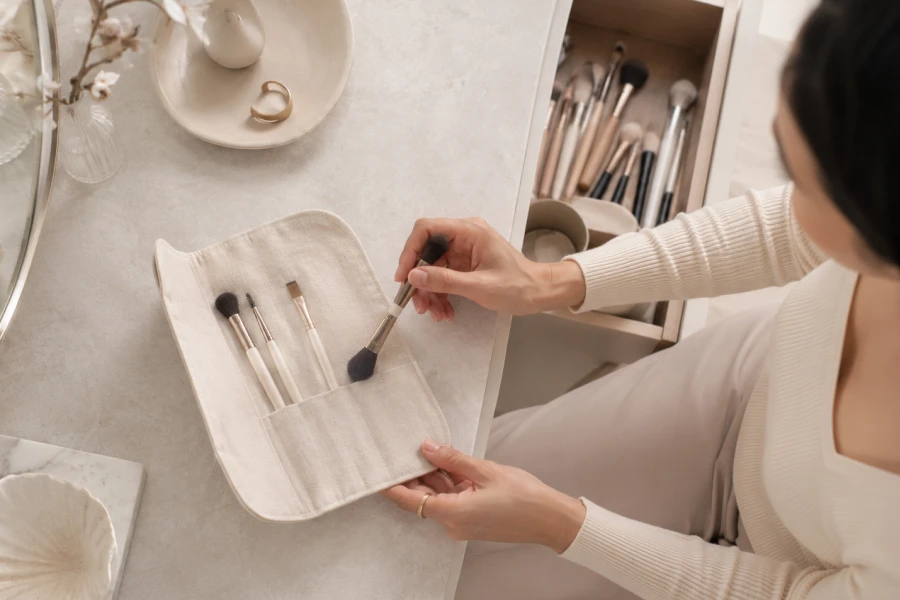
Choosing makeup brushes feels easier when you stop treating every brush set as a necessity. A smart collection starts with your actual routine. It reflects your products, your face shape, and your patience level. You do not need twenty tools to look polished. You need the right few tools to perform consistently. A brush should solve a real problem. It should not create another storage issue. Better choices reduce clutter. They also reduce wasted money. Most importantly, they make daily makeup feel less complicated.
Your routine tells you which tools deserve space. Daily foundation needs a reliable base brush. Cream blush needs flexible bristles. Powder products need soft diffusion. Detailed eyes need smaller shapes. A practical beginner brush setup should match real habits first. Do not buy for imaginary techniques. Do not copy a professional kit blindly. Notice what you use weekly. Notice what you skip. Then fill gaps with intention. That approach creates a collection you actually enjoy.
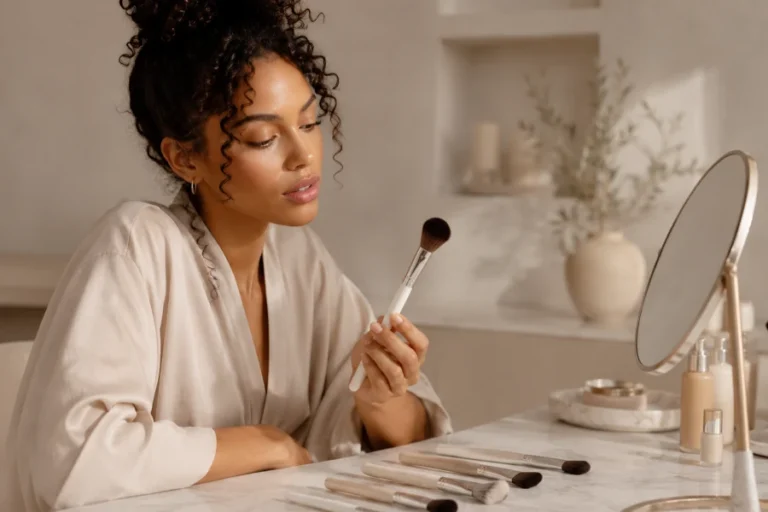
A good brush feels balanced in the hand. Bristles should feel smooth, not scratchy. The ferrule should sit firmly without wobbling. Shedding should be minimal after washing. Shape should return after drying. Density should match the brush purpose. A foundation brush can feel firm. A powder brush should feel flexible. Price alone does not prove quality. Packaging can distract from performance. Testing texture, weight, and construction gives better information than a pretty handle.
Cream products need movement without dragging. Flexible synthetic bristles often spread them evenly. Dense brushes can build coverage quickly. Smaller rounded brushes help with cream blush placement. Stippling motions can protect base makeup underneath. A thoughtful blending brush routine keeps creams fresh and seamless. Start with less product. Press before sweeping. Blend edges last. Clean these brushes often. Cream residue changes performance faster than powder residue.
Powder products need softness and release. A loose brush creates a veil. A denser brush adds stronger color. Fan shapes can apply highlight gently. Tapered shapes help set smaller areas. Powder can look heavy when the brush grips too much. Tap off excess before touching the face. Use larger motions for bronzer. Use lighter pressure for blush. A good powder brush should feel airy. It should leave color behind without disturbing the base.
Professional kits include variety because artists handle many faces. Personal collections need less range. Still, professional brush choices can teach useful priorities. Artists value shape, control, and durability. They also repeat tools that perform under pressure. You can borrow that mindset without buying everything. Choose brushes that handle your most frequent products. Keep backups only for high-use categories. Skip novelty shapes unless they solve a need. A smaller edited kit often performs better. Skill grows faster when tools feel familiar.
Longevity depends on both construction and care. Wash brushes gently. Avoid soaking handles. Reshape bristles before drying. Store tools where they stay clean and upright. Rotate favorites so one brush does not carry every task. Replace tools when bristles splay permanently. Do not keep scratchy brushes out of guilt. Your skin deserves comfort. Your products deserve clean application. A lasting collection should feel useful, comfortable, and easy to maintain.

Leave a comment