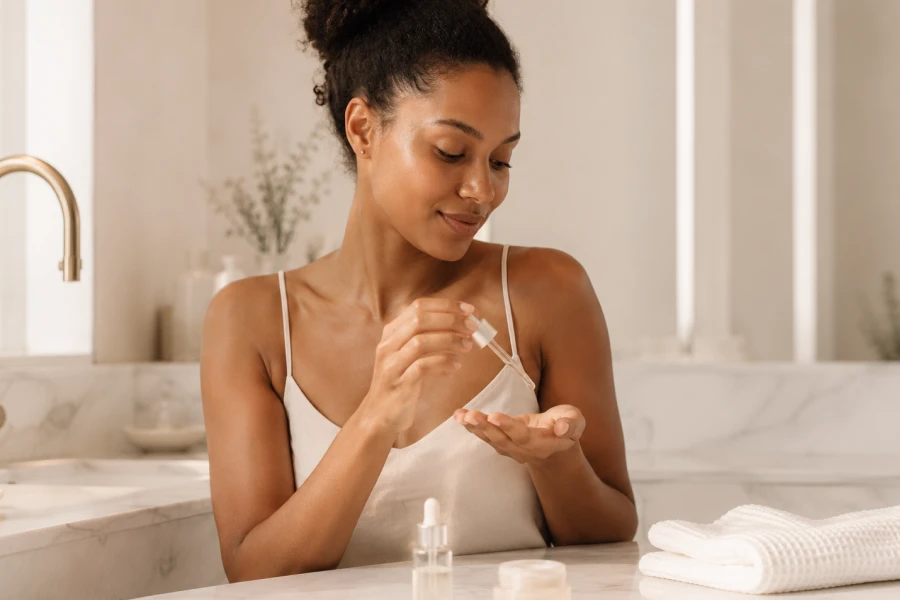
Hydration heroes for skin do more than make a routine feel comfortable. They help skin look smoother, fresher, and more resilient. Dehydrated skin can make texture look sharper. It can make makeup cling unevenly. It can also make strong actives harder to tolerate. Hydration supports the environment where other ingredients perform better. This does not mean every routine needs heavy creams. It means water-binding and barrier-supporting ingredients deserve attention. With the right balance, skin feels flexible. It also looks calmer. Glow becomes easier to maintain.
Hydration changes the look of skin quickly. Fine lines can seem less pronounced. Dullness can soften. Tightness can ease within minutes. A strong hydration ingredient strategy looks at humectants, emollients, and occlusives together. Humectants attract water. Emollients soften roughness. Occlusives reduce water loss. Each role supports the next. Lightweight textures can still hydrate well. Rich textures can help dry skin more. The goal is balance, not heaviness. Daily comfort builds visible consistency.
Humectants include glycerin, hyaluronic acid, and panthenol. They help attract moisture to the skin surface. Emollients smooth the spaces between dry surface cells. Moisture seals help slow evaporation. These categories work best as a team. A watery serum alone may not be enough. A heavy cream without humectants may feel dull. Layering textures carefully improves comfort. Apply hydrating products to slightly damp skin. Then seal with a moisturizer when needed. Simple technique can improve results dramatically.
Makeup reveals hydration problems quickly. Foundation can cling to dry patches. Concealer can settle under the eyes. Powder can look heavier than expected. A focused hyaluronic acid hydration step can help skin look smoother before base products. Let skincare absorb before applying makeup. Use less product on hydrated areas. Press foundation instead of dragging it. Choose powder only where needed. Comfortable skin gives makeup a better surface. The final look appears softer and more natural.
Actives often need hydration support. Retinoids can make skin feel dry. Acids can increase sensitivity when overused. Vitamin C may tingle on compromised skin. Supportive ingredients reduce that friction. A gentle retinol routine planning approach includes moisturizer before or after treatment. Some people benefit from sandwiching retinoids between hydrating layers. Others need fewer active nights. Listen to tightness and stinging. Those signs matter. Hydration lets treatment feel manageable instead of harsh.
Sometimes skin needs more than water. It needs barrier support. Look for ceramides, fatty acids, cholesterol, panthenol, and calming ingredients. These helpers can reduce the look of stress. They also make the routine feel more forgiving. A damaged-feeling barrier may sting after simple products. Pause strong actives when that happens. Keep cleansing gentle. Apply moisturizer consistently. Protect skin from sun exposure. Give the barrier time. Calm skin often looks healthier before any advanced treatment begins.
Hydration works best when it becomes boring in the best way. Use dependable products daily. Adjust texture by season. Choose lighter layers in humidity. Choose richer support in dry weather. Keep one simple moisturizer you trust. Do not change every step at once. Track how skin feels by afternoon. That moment often reveals whether hydration lasts. A steady habit makes glow more reliable. It also makes the rest of skincare easier to judge.

Leave a comment